ABOUT HARIDWAR:
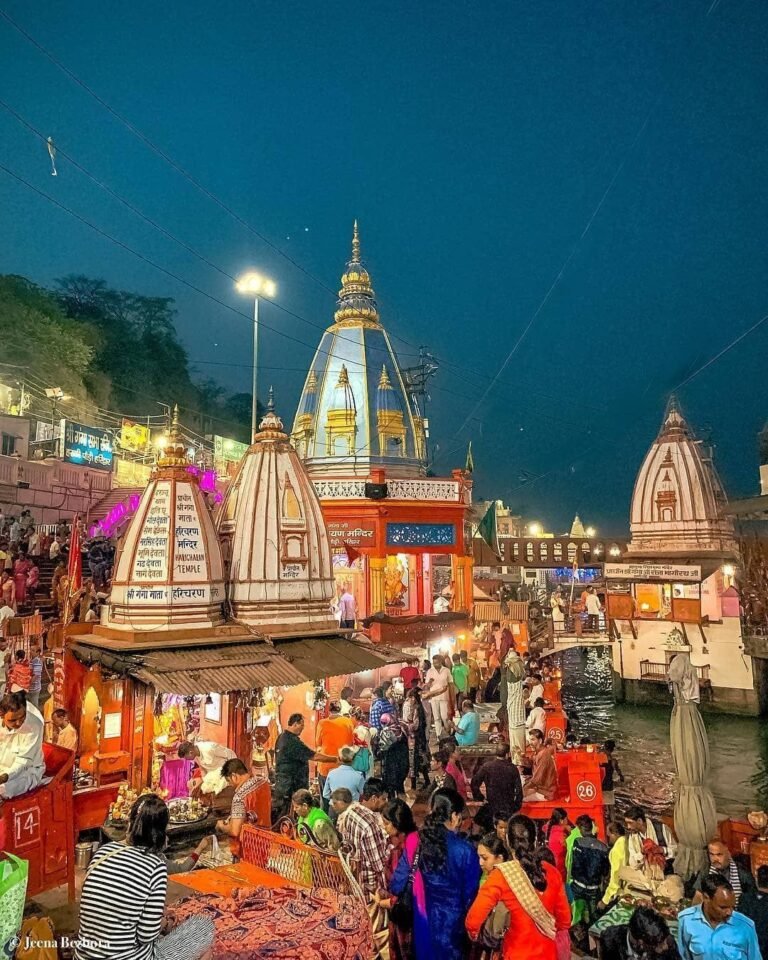
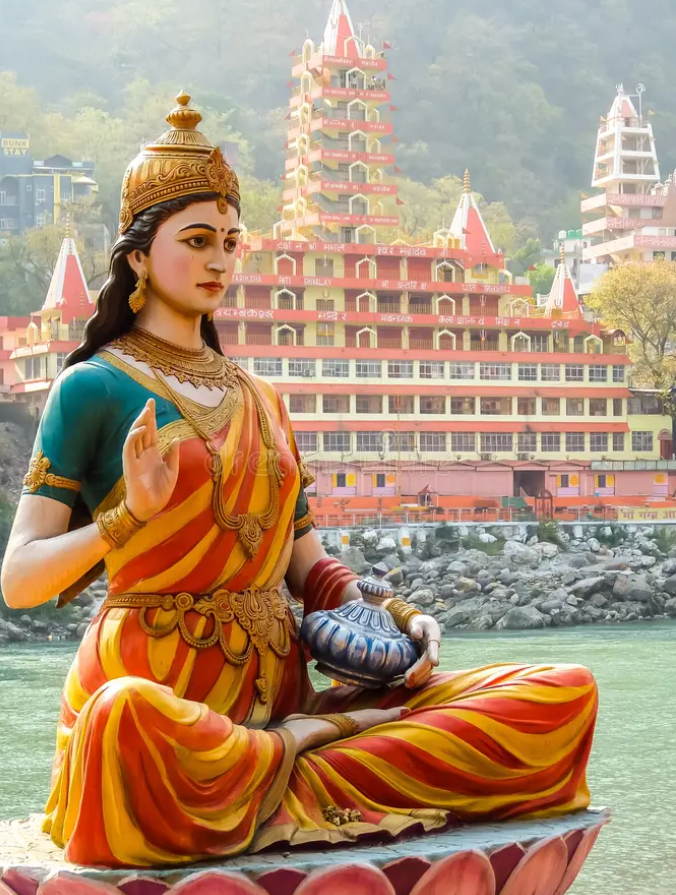
Haridwar is a holy city and a sacred pilgrimage site located in the state of Uttarakhand, India, at the foothills of the Shivalik Hills, on the banks of the Ganga River. Here, the Ganga flows down from the mountains into the plains. Haridwar is known by several names, such as Mayapuri and Kapilesthan.
MAYAPURI: KAPILESTHAN:
In ancient times, this place was called the Mayapuri region, and it is one of the seven sacred cities that bestow salvation.
This place got its name due to the penance performed here by Sage Kapil Muni.
HISTORY OF HARIDWAR:
A paradise for nature lovers, Haridwar represents the richness of Indian culture and civilization. Haridwar is regarded as the gateway to God, also known as Mayapuri, Kapila, and Gangadher, as mentioned by many great sages. It is said to be a significant point for entering the sacred Char Dham: Badrinath, Kedarnath, Gangotri, and Yamunotri.
It is said that the great King Bhagirath brought the Ganga River from the heavens to the earth to liberate his ancestors. It is also believed that Lord Vishnu placed his presence at Har Ki Pauri on a wall, which is still marked there today, and the Ganga River constantly touches that mark. Devotees believe that taking a dip in the Ganga River directly leads to attaining heaven.
Haridwar is one of four sacred places where the Ardh Kumbh is held every six years and the Kumbh Mela every twelve years. It is said that the nectar falls into the Har Ki Pauri tank.
It is believed that bathing in the Brahma Kund on this special day is very auspicious. Being one of the five ancient living cities, Haridwar is also mentioned in ancient Hindu scriptures. Haridwar is spread over an area of approximately 2,360 square kilometres.
ABOUT GANGA AARTI:
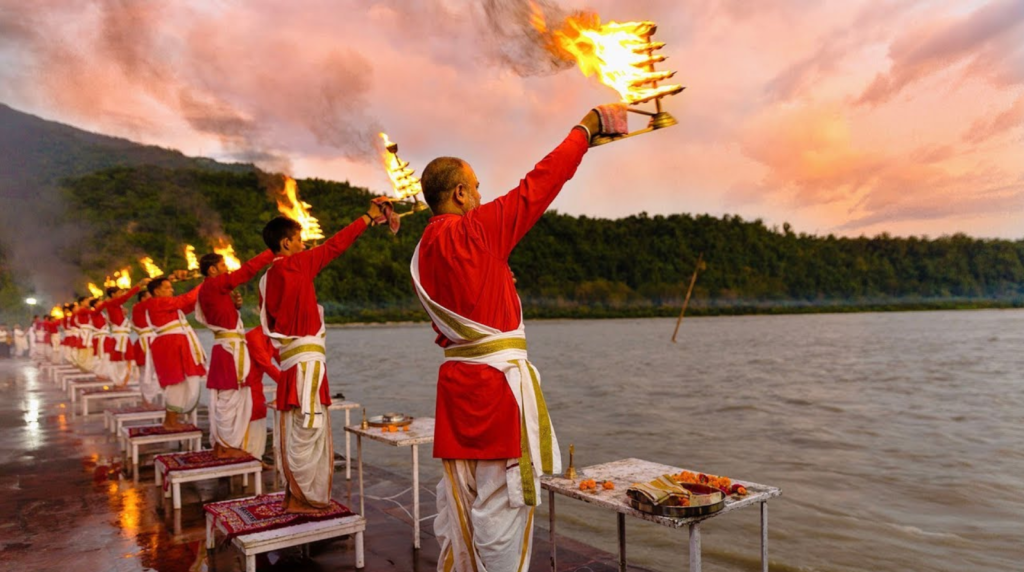
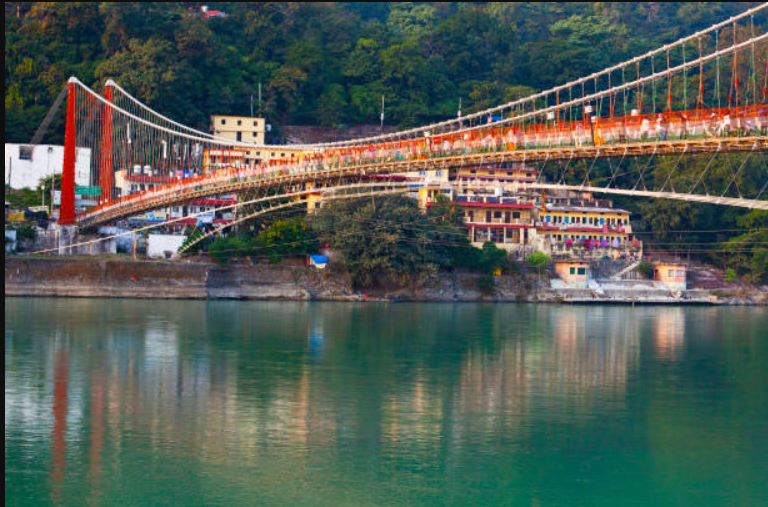
Ganga Aarti is a grand and spiritual ritual dedicated to the Ganga, performed every evening on ghats in cities like Varanasi, Haridwar, and Rishikesh, with lamps, conch blowing, and chanting of mantras. Its purpose is to honor the river, symbolize unity, bring peace and happiness to the mind, remove negativity, and devotees seek to atone for their sins, including those committed unknowingly.
ABOUT CHANDI DEVI TEMPLE :
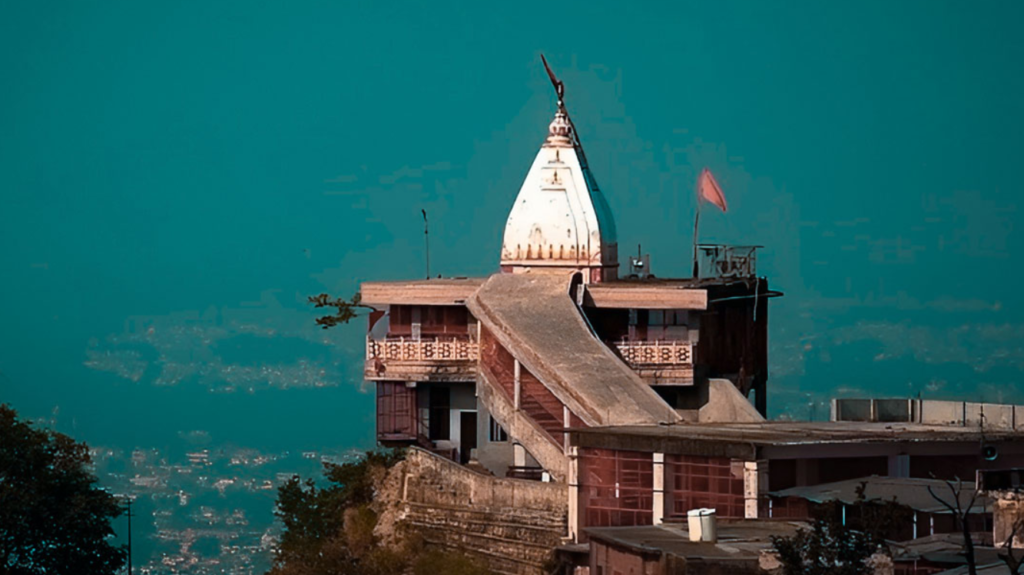
Chandi Devi Temple, located on the top of Neel Parvat in Haridwar, is a famous Hindu temple dedicated to Goddess Chandi. It is believed to have been established in the 8th century by Adi Shankaracharya, and the current structure was built in 1929 by the King of Kashmir, Suchat Singh. It can be reached by ropeway or on foot, and special worship is conducted here during Navratri.
SHANTI KUNJ :
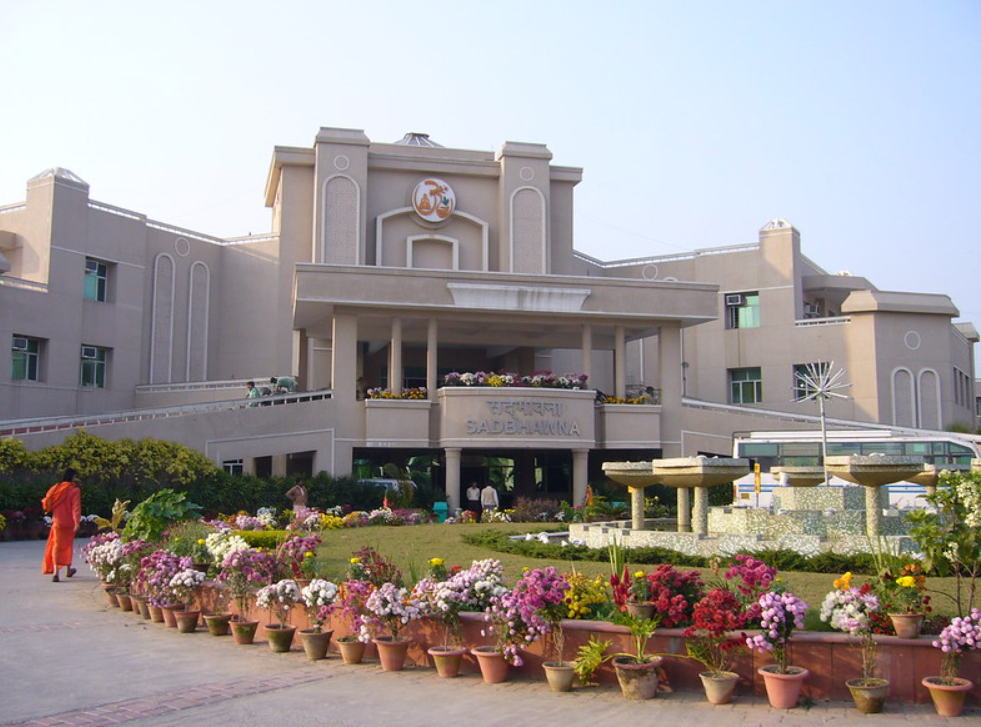
Shanti Kunj is a well-known spiritual and ancient social organization, and it is also the headquarters of all Gayatri families worldwide. Tourists participate here in spiritual practices for meditation and peace of mind. Shanti Kunj is famous for its peaceful environment and cleanliness. It is believed that you can spend several hours here meditating.
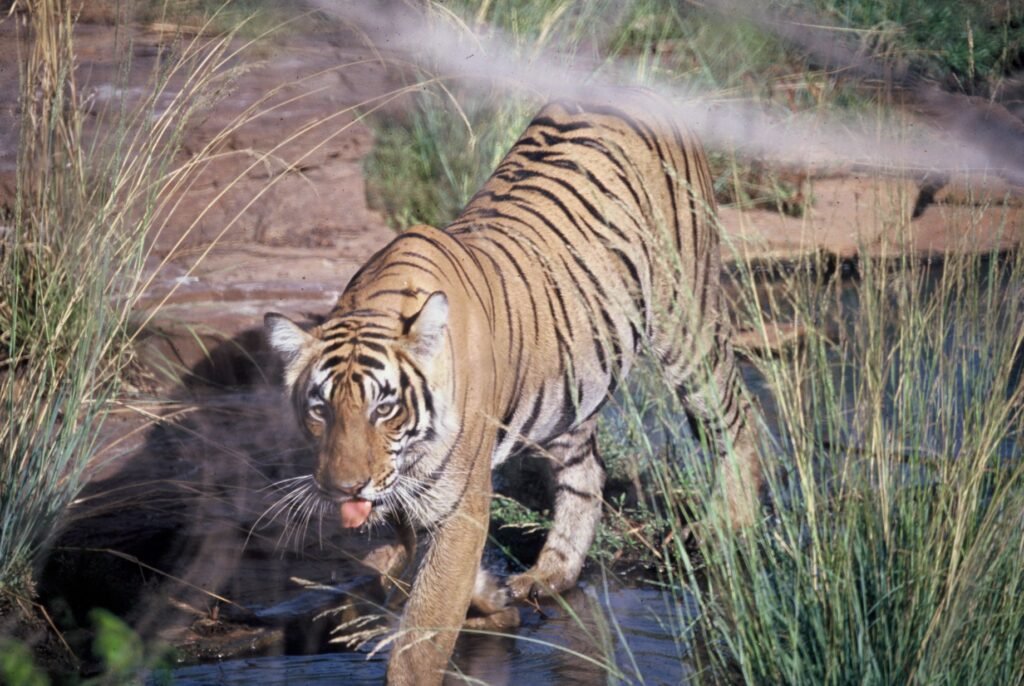
Rajaji National Park is spread across the districts of Dehradun, Haridwar, and Pauri Garhwal in Uttarakhand. It is a prominent wildlife sanctuary and garden named after the great freedom fighter Rajagopalachari (Rajaji). It is famous for its diverse flora, dense sal forests, and Asian elephants, tigers, leopards, and other wildlife. The park is located at the foothills of the Shivalik Range and is also popular for jungle safaris and wildlife viewing.
WHAT CAN WE BUY FROM HARIDWAR?
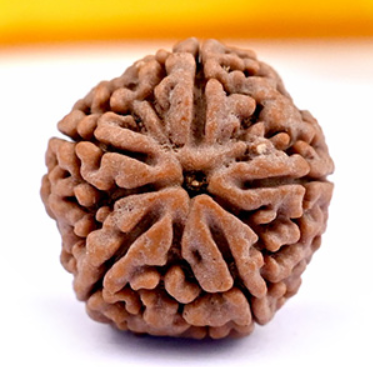
From Haridwar, we can buy sacred Ganga water, Rudraksha beads, Ayurvedic herbs, wooden and stone handicrafts, brass worship items, and local sweets (like Chandrakala) and pickles.
THE BEST TIME TO VISIT HARIDWAR
The best time to visit Haridwar is between October and March. During these months, the weather is pleasant, and many festivals are celebrated, such as Ram Navami and Ganga Saptami. Summers here are very hot.
PATANJALI YOGPEETH
Patanjali Yogpeeth, located in Haridwar, Uttarakhand, is a prominent yoga and Ayurvedic institution founded by Swami Ramdev and Acharya Balkrishna. Its aim is to promote health and education through yoga and Ayurveda. This institution provides facilities for Ayurvedic treatment (such as for liver/kidney, gallbladder, and diabetes) along with education and research opportunities.